Light
The Importance of Light in Greenhouse Crops
Light plays a pivotal role in the development and productivity of greenhouse crops, as it directly influences photosynthesis, growth rates, and overall yields. Managing light effectively is crucial to ensure optimal growth conditions and maximize productivity. This requires a fine balance between natural sunlight, artificial lighting, and the strategic use of screens to meet the specific needs of each crop.
Utilizing Historical Data on DLI, UV Exposure, and Crop-Specific Light Needs
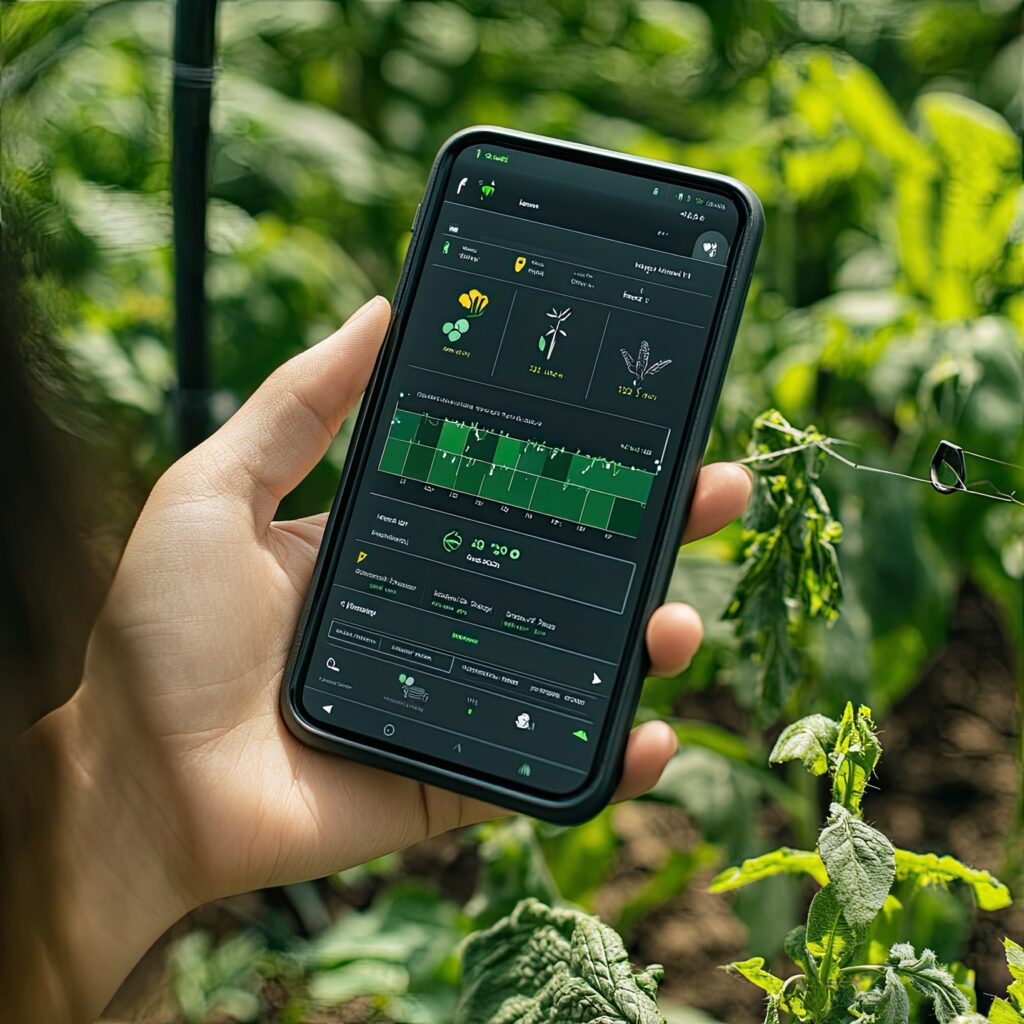
Understanding factors like daily light integral (DLI), UV exposure, and the specific light requirements of different crops is essential for growers. Reliable historical data provides insights into these factors, allowing for the optimization of artificial lighting, shading, and the use of screens. By analyzing past sunlight patterns, growers can make more informed decisions on how to complement natural light with artificial sources for enhanced crop growth.
The Role of Screens in Light Management
Screens are a key tool for managing light in the greenhouse environment, helping growers regulate the amount of sunlight that reaches the plants. Historical climate data on radiation, irradiation, and sunlight patterns informs the strategic deployment of screens, allowing for dynamic control of light and temperature. By using screens to diffuse harsh light during periods of intense sunlight or to retain heat during cooler periods, growers can protect crops from stress while optimizing light exposure for growth.
Screens not only shield crops from excessive UV radiation but also play a role in energy conservation by reducing the need for artificial lighting during certain times of the day. Their use, informed by historical climate trends, can help balance natural and artificial light to create the ideal growing environment year-round.
Optimizing Shading, Lighting, and Screens with Climate Data
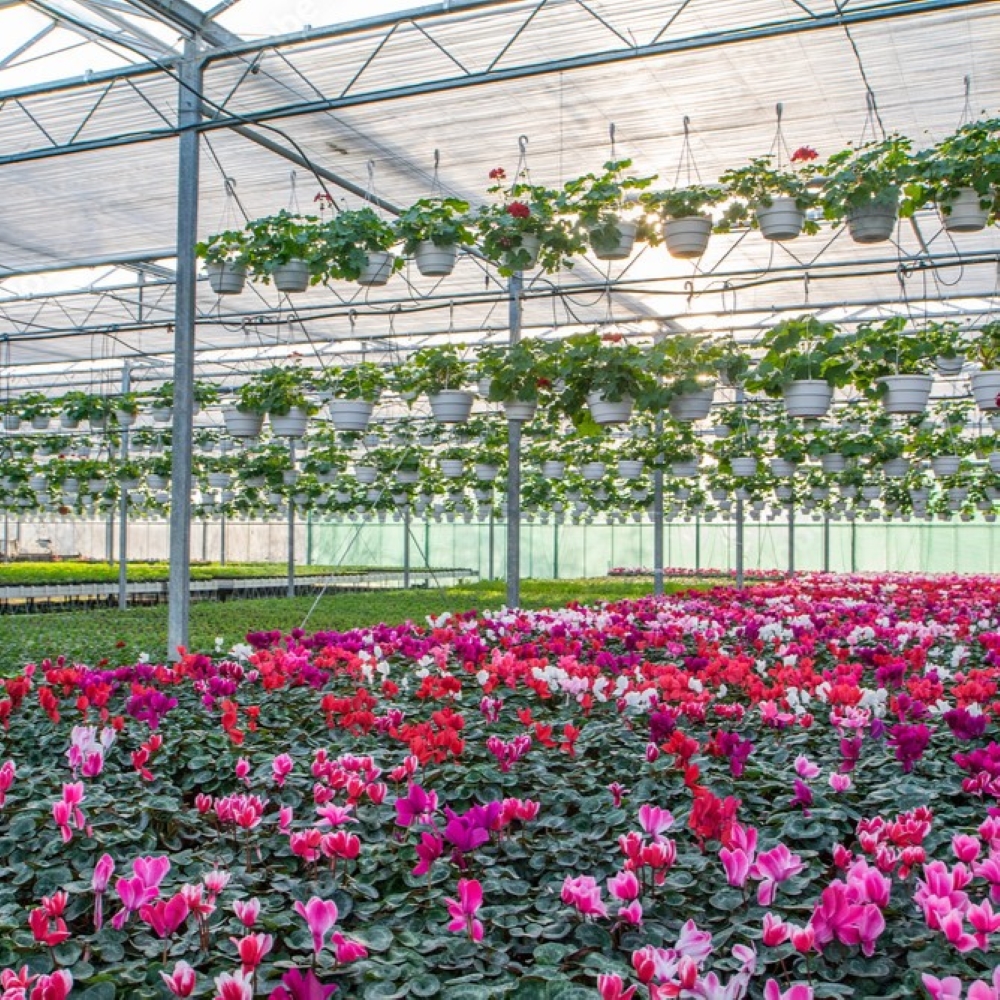
Historical climate data, especially regarding sunlight patterns, radiation, and irradiation, helps growers anticipate low-light conditions and prepare accordingly. For instance, understanding seasonal variations in sunlight can inform shading and screen deployment strategies, ensuring crops are protected from excess UV radiation while still receiving the necessary light. At the same time, knowing when natural light will be insufficient enables growers to fine-tune supplemental lighting systems to maintain ideal light levels, thereby promoting consistent growth and preventing stress on crops.
Efficient Use of Supplemental Lighting for Maximum Productivity
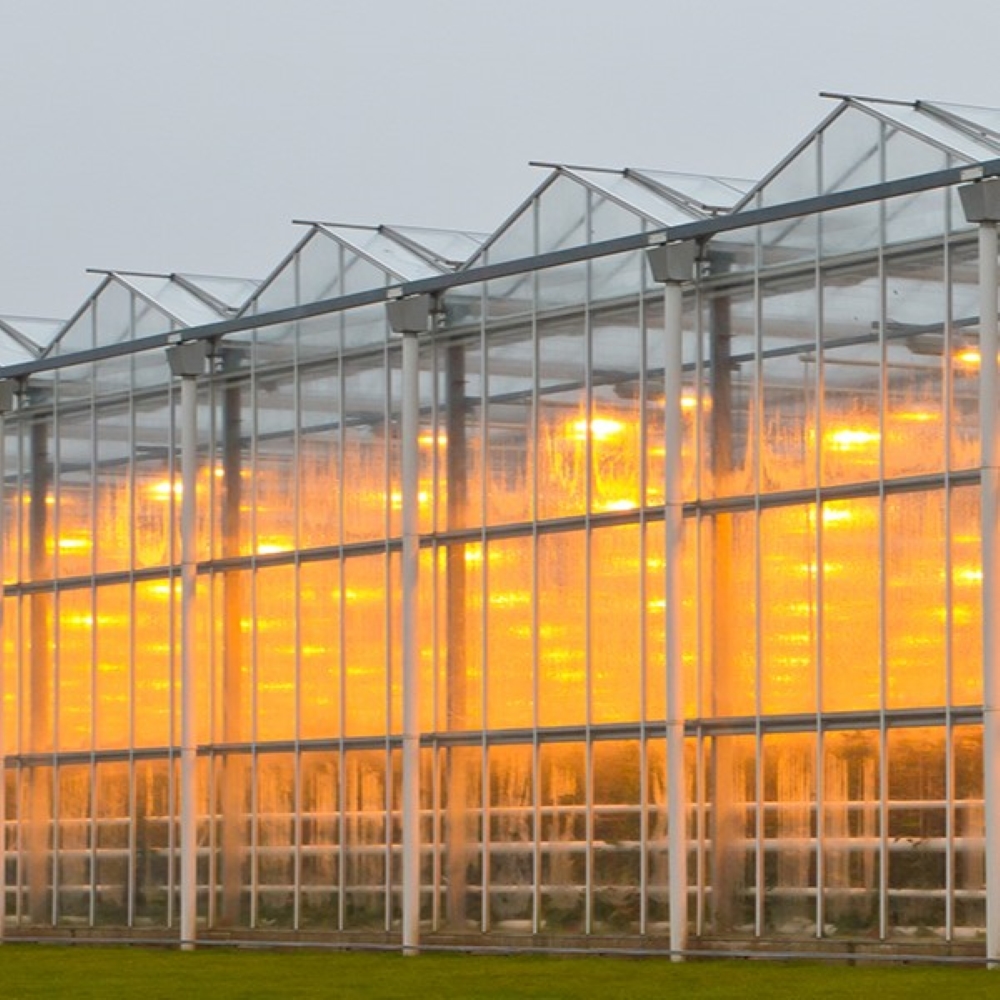
For crops with high light demands, reliable data on irradiation is crucial. Growers can use this data to make energy-efficient decisions on supplemental lighting, ensuring that plants receive consistent light without wasting energy. By applying supplemental lighting precisely when natural light is insufficient, growers can enhance photosynthetic efficiency, leading to healthier plants and better yields.
Enhancing Sustainability and Reducing Energy Costs
Incorporating historical climate data into the management of greenhouse lighting, shading, and screen usage not only improves productivity but also supports sustainability. By using artificial lighting only when needed, and deploying screens to mitigate extreme conditions, growers can reduce energy consumption. This targeted approach leads to cost savings and minimizes the environmental impact of energy-intensive greenhouse operations.
A Reliable Foundation for Decision-Making
For growers looking to invest in technologies such as supplemental lighting, automated shading systems, and screens, reliable historical climate data becomes a critical tool. It helps ensure that lighting, shading, and screen decisions are data-driven, leading to more cost-effective and environmentally responsible greenhouse management. By leveraging this data, growers can achieve a more sustainable balance between natural and artificial light, ultimately improving crop outcomes and operational efficiency.